Block 1 · 10 min
Opening & framing
Welcome, context, materials on the table, challenge framing, and a short introduction to the spirit of the session.
Arduino Day 2026 · Hybrid Micro-Lab · Wetzikon–Zürich + Twitch
School of Tomorrow’s AI joins Arduino Day 2026 with a hybrid live micro-lab led by Lina Lopes. In three hours, paper becomes circuit, feedback, instrument, and expressive interface — part open studio, part workshop, part prototype in public.
“Turn a sheet of paper into an expressive interface— Arduino Day 2026 · School of Tomorrow’s AI
using simple electronics, fast thinking, and public experimentation.”
This session is built as a live design sprint: not a polished classroom demo, but an open making process. The core challenge is simple and strong — to create, in three hours, an expressive paper interface using low-cost electronics.
The goal is not only to make something that works, but to think through paper as a material for interaction: paper that sings, paper that lights up as feedback, paper that becomes part of a collective instrument, or paper that behaves like a poetic controller.
It speaks directly to a pedagogy of dirty prototypes, fast iteration, and public debugging. The process matters as much as the object.
Create, in three hours, an expressive paper interface with simple electronics.
The event is structured around a live build. Rather than presenting a finished object, Lina will think aloud, test fast, improvise, and show how decisions emerge through hands-on making. The audience can follow the logic, the mistakes, the corrections, and the transformation of concept into circuit.
Depending on the energy of the session, the prototype can branch into one or more expressive variations:
A compact format that combines context, demo, making, debugging, and reflection.
Welcome, context, materials on the table, challenge framing, and a short introduction to the spirit of the session.
Very short demonstrations: conductive paper thinking, LED or buzzer feedback, and one simple input strategy.
The central prototype is built live, step by step, with room for improvisation and adaptation.
Error is treated as method: what failed, what is unstable, and how debugging becomes visible and pedagogical.
The prototype is pushed beyond function and into expression, form, gesture, or collective interaction.
What worked, what failed, what deserves a second iteration, and where this kind of material research can go next.
For people who want accessible, low-cost ways of teaching electronics, interaction, or physical computing through material experimentation.
For those curious about interface as expression — not only engineering a system, but shaping a response, gesture, or poetic interaction.
No advanced coding background is required. The session is open to people who learn by watching, testing, and building with others.
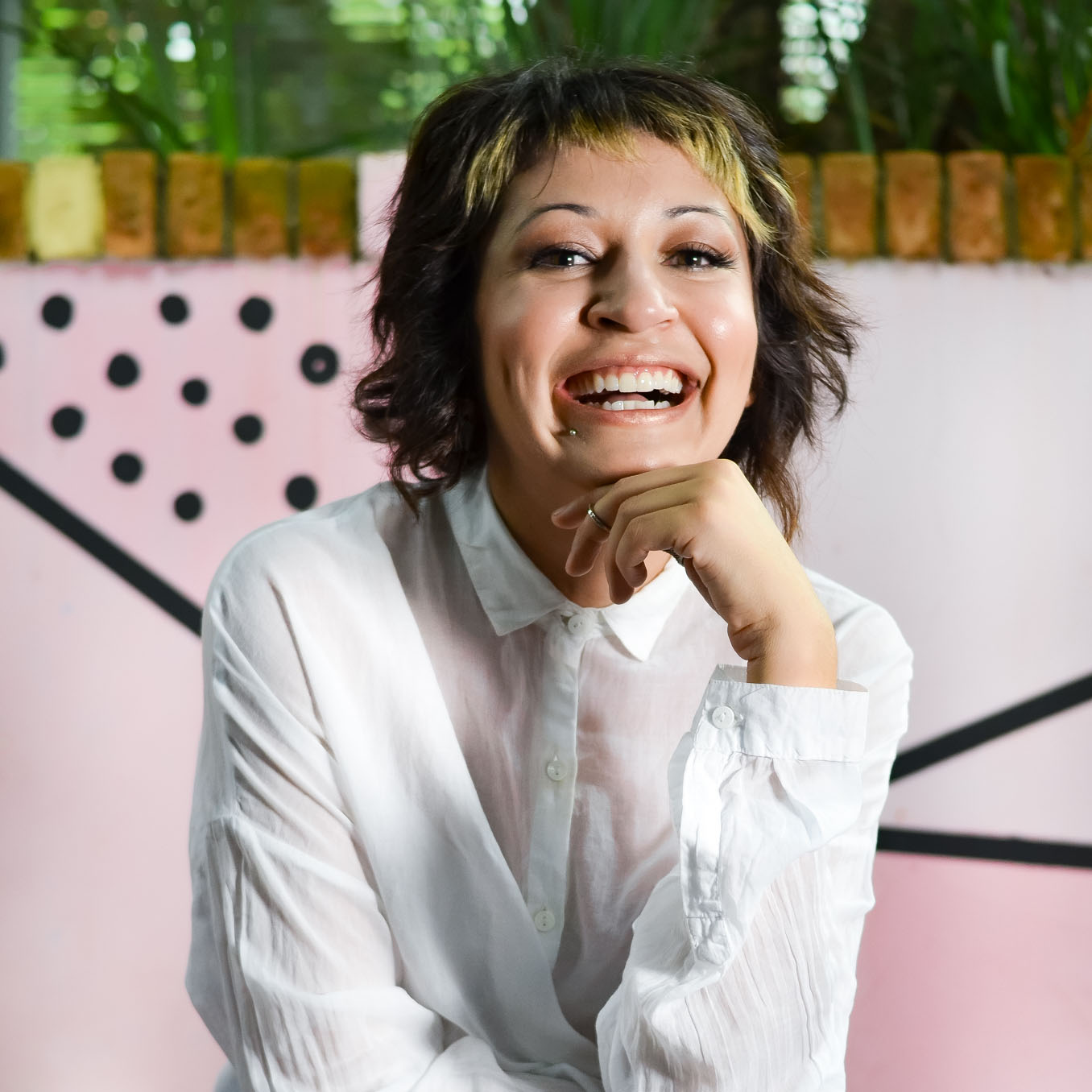
Lina Lopes is the founder of School of Tomorrow’s AI. Her work moves across art, education, speculative prototyping, physical computing, and embodied interaction. She often treats technology not as a final answer, but as a material for inquiry.
This Arduino Day session reflects that method directly: a small public lab where paper, electronics, and design become a shared field for experimentation.
Yes. The page is structured as a free hybrid event with open access for online viewers and a welcoming in-person format.
No. The emphasis is on simple electronics, material experimentation, and learning through observation and prototyping.
Yes. The event is designed to work both as an in-person micro-lab and as a live Twitch session for remote viewers.
Maybe, maybe not. The value of the session is precisely that it happens in public, with room for iteration, detours, and productive failure.
Arduino Day 2026 · Open call to curious people
Come for the material curiosity, the quick experiments, and the public debugging. Stay for the possibility that a sheet of paper can become a small interface, a tiny instrument, or a prototype for another way of learning.